Bord Bia - Irish Food Board

The flavour shows where the best grass grows

Making the cut

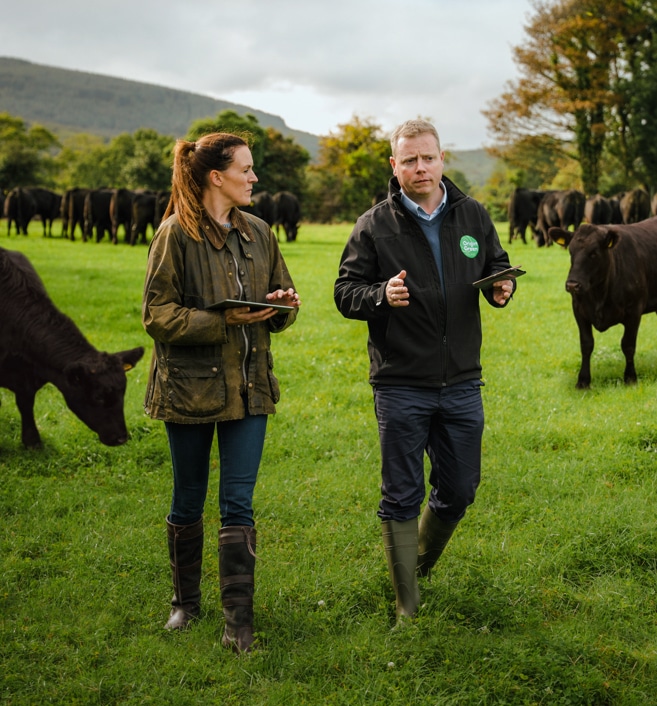
Our cattle have been lucky enough to graze on lush grassy pastures for most of the year. And that’s what makes our beef so juicily succulent and mouth-wateringly flavoursome!

But there’s plenty to be said for knowing your way around a steer, as different cuts have different tastes and textures. So to make the most of your beef, it pays to consider where the cut has come from and what cooking methods will bring out the best qualities.
Making the cut
 

Choosing your cut

Fancy some beautiful beef tonight but wondering which kind of piece to go for? Our handy guide is here to help you discover which cuts are good for what and why!

Neck / Chuck / Shoulder

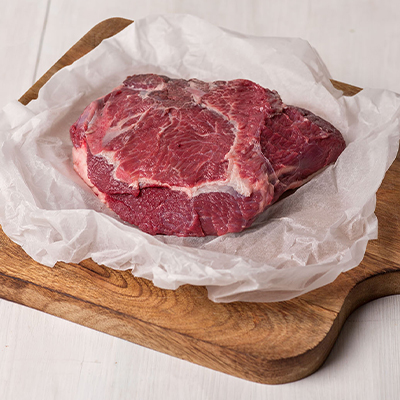
These are the most used muscles in a steer’s body so the cuts are extra-tasty. Containing mostly muscle from the shoulder, chuck requires good trimming and slow cooking. This breaks down the tough connective tissues in the meat and creates rich, intense flavours and a soft, flaky texture. The best cuts for mincing, casseroling or braising.

Neck / Chuck / Shoulder Recipe
 

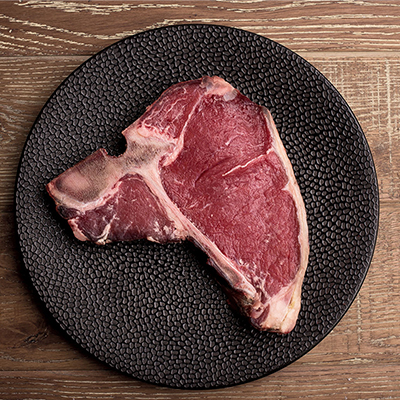
Rib of Beef

Heavy marbling – thanks to exercise – makes this cut perfect for slow roasting and with the bone in, you can expect a sweeter, richer, more intense flavour. Trimmed well, it makes a fantastic centrepiece to feast on. Roast it on a high heat or cut the rib from the joint and grill on the barbecue. One rib serves two.

Rib of Beef Recipe
 

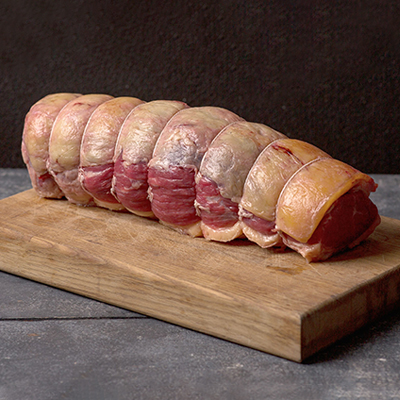
Rolled Rib

This is the most versatile cut from the shoulder and has heavy marbling and extra fat content for a sublime eating experience. This prime joint of beef is the perfect choice for a slow roast. Roast it at a high temperature and the rich flavours will deepen and intensify even further.

Rolled Rib Recipe
 

Striploin

Cut from the short loin, the striploin consists of a muscle that is little used, so is particularly tender. It’s also a fairly sizeable muscle so can easily be divided into larger portions. This is best roasted with some fat covering it to give extra flavour. But if the beef is well aged, then just cut into steaks and it’s good for the grill!

Striploin Recipe
 

Fillet

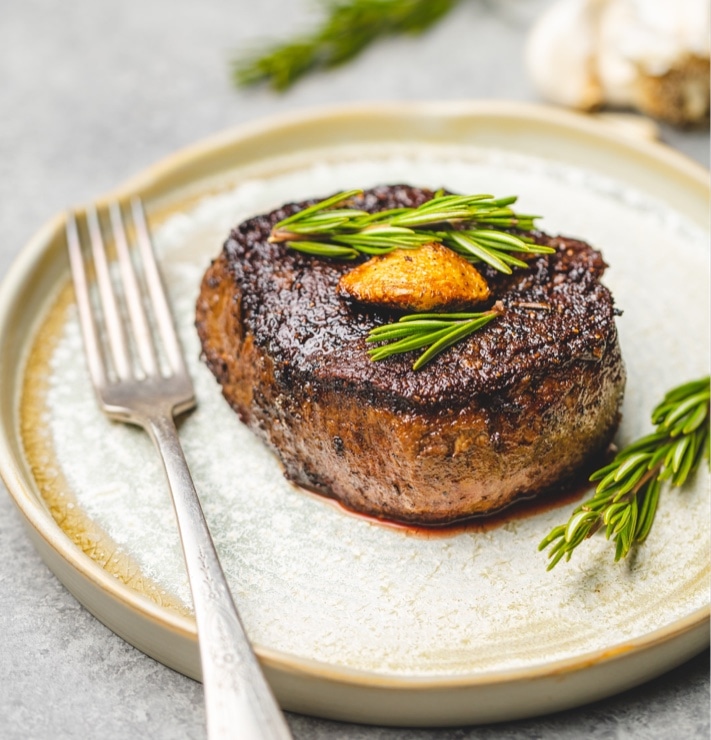
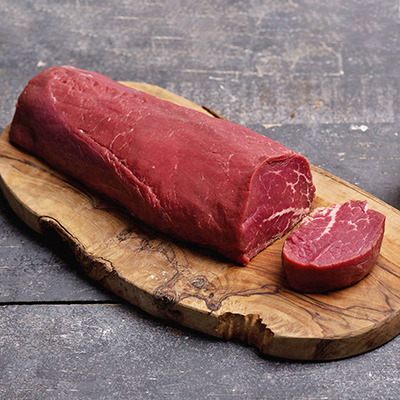
The tenderloin is the least used muscle in a steer’s body and meltingly tender. This delicately flavoured cut is low in fat but if left to age, it can still be rich and flavoursome. It’s a very popular prime cut for grilling, frying (serve as rare as you dare) or can be left whole for a very special roast.

Fillet Recipe
 

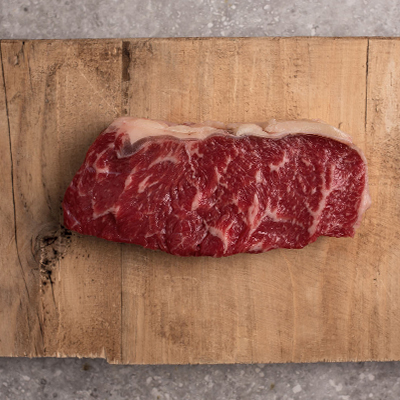
Sirloin

This traditional cut from the loin has always enjoyed a loyal following and was favoured by royalty in early days. Slightly less moist than a rib eye steak, due to a lower fat content but more flavourful than fillet, sirloin is a prime steak cut full of taste. If the beef is well aged, you’ll get maximum tenderness too. Grill it, stir-fry or barbecue.

Sirloin Recipe
 

Topside

This traditional roasting joint comes from the hind and has minimal marbling, making it extra-lean. Roasting it slowly with a little liquid, or an extra layer of fat, will help the joint tenderise, keep the meat moist and give excellent flavour. It’s great served rare and can also be thinly sliced for grilling or frying.

Topside Recipe
 

Silverside

Like topside, silverside is another lean cut from the hind. Not only is it economical but cooked correctly, it can be one of the most flavoursome of cuts. With an added layer of extra fat tied on to seal in the moisture and flavour, this is ideal for pot roasting. Coarsely minced it also makes fantastic burgers, which can be served as pink as you like.

Silverside Recipe
 

Eye of the Round

The eye round is the eye muscle from the bottom part of the round (the rear portion of the steer). It’s a boneless, very lean joint and so needs a moist, slow heat to tenderise the beef. Ideal for pot roasting and braised dishes.

Eye of the Round Recipe
 

Top Rib / Housekeeper’s Cut

This is a more economical cut than a rib of beef and its heavy marbling and extra fat content make it the perfect choice for slow roasting. With the bone left in, the beef takes on a sweeter, more intense flavour. Roast it slowly with a little liquid and this will help the joint tenderise and give excellent flavour.

Top Rib / Housekeeper’s Cut Recipe
 

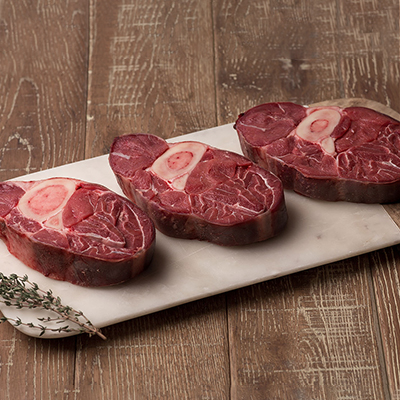
Diced Shin

Derived from the leg, shin is the least tender of beef cuts but left alone to cook slowly in a fragrant liquor, the most intense flavours and wonderfully sticky textures are created. Perfect for a winter’s stew or hearty soup, this makes a wonderfully aromatic braised dish.

Diced Shin Recipe
 

Brisket

Low in marbling and generally a less tender cut from the breast, brisket is ideal for pot roasting and long, slow cooking methods. Prepared in this way, the beef will just fall from the bone and its rich, distinct flavours will be released in full.

Brisket Recipe
 

Flank

Flank is a very versatile cut and like topside, has minimal marbling which makes it extra-lean. It’s often used for ground mince but more than stands up on its own. You might have it stuffed, rolled and cooked slowly as a pot roast or why not try marinating then grilling the beef and serving very thinly sliced?

Flank Recipe
 

Ball of the Round

This is probably the most tender part of the round (the hind section of the steer where muscle is built up). The meat here is tasty, yet lean so it will need a slow cooking method to make it more melting. Round cuts are popular for pot roasting but you might also slice this into steaks for braising.

Ball of the Round Recipe